
When every pupil needs something different
Every child learns differently. Some need more time, others benefit from a different approach, while others need more specific support to reach their full potential. Throughout their school years, children may experience academic, emotional, social or developmental difficulties that affect both their learning and wellbeing.
At Dallington School, we believe supporting every pupil means understanding their individual needs. That is why our Special Educational Needs (SEN) department takes a caring, professional and coordinated approach, providing comprehensive support to pupils and their families.
Our aim is not simply to improve academic performance, but to help every child feel understood, secure and able to move forward with confidence.
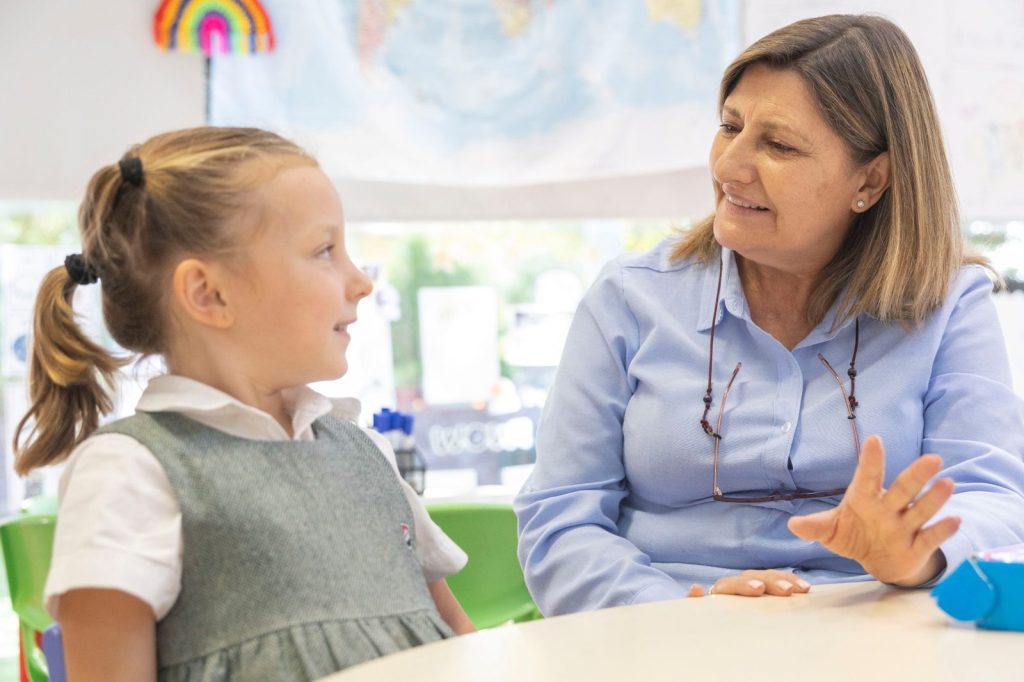
What are Special Educational Needs?
The term special educational needs refers to specific educational needs that require additional support or adjustments to ensure pupils can access learning on an equal footing.
These needs may be associated with:
- Dyslexia
- ADHD (Attention Deficit Hyperactivity Disorder)
- Dyscalculia
- Speech and language difficulties
- Attention or working memory difficulties
- High learning potential
- Emotional or social difficulties
In Spain, approximately 10% of pupils have some form of specific learning need. The key is to identify these difficulties early and respond with care and rigour.
In many cases, early identification can completely transform a child’s experience of school.
The importance of early identification
One of the most important aspects of supporting special educational needs is the ongoing observation of each pupil’s development.
At Dallington School, the process begins in the classroom. Teachers, educational psychologists, speech and language therapists and SEN specialists work together to observe how each pupil learns, organises themselves, approaches tasks and interacts with their surroundings.
Sometimes small details can suggest that a pupil may need additional support:
- Difficulty following instructions
- Difficulties with reading or writing
- Low academic self-esteem
- Difficulty sustaining attention
- Frustration with particular tasks
When we notice possible signs, we begin a dialogue with families and, where necessary, recommend a more detailed assessment.
The aim is never to label a pupil, but to understand how best to help them.
A specialist, coordinated SEN team
A central part of Dallington’s SEN approach is multidisciplinary teamwork.
Our team includes professionals specialising in different areas of learning and child development: psychologists, speech and language therapists, educational psychologists and education specialists who work closely with one another and with classroom teachers.
Coordination is essential.
Support is most effective when school, family and specialists work together towards shared goals.
That is why we maintain regular communication with families, sharing observations, strategies and progress openly and personally.
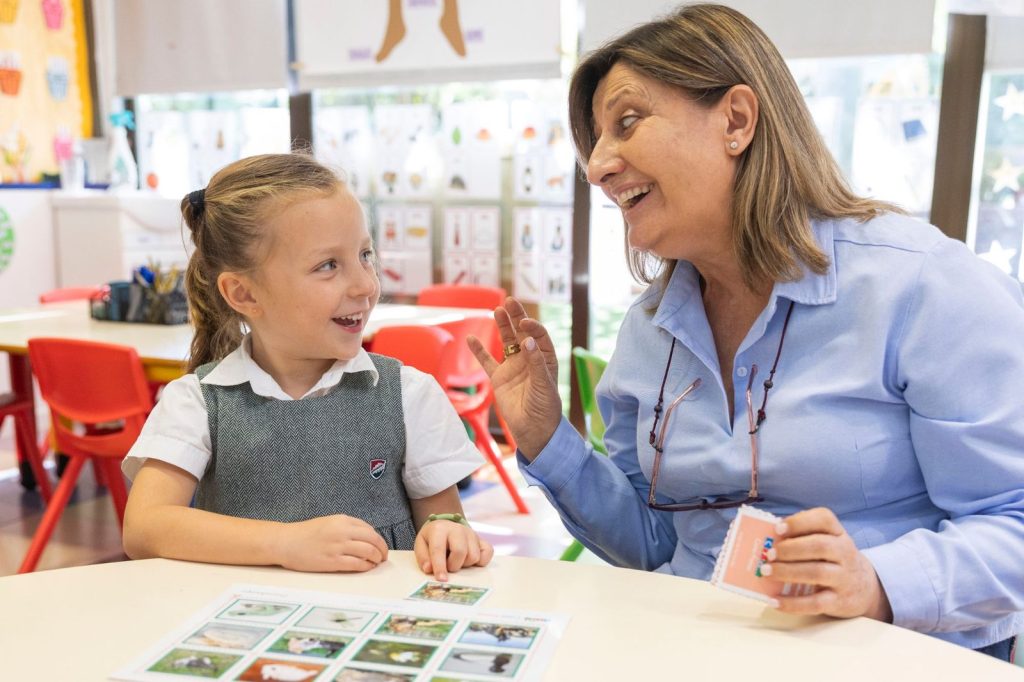
Individual Education Plans
When a pupil has a diagnosis, such as dyslexia or ADHD, we develop an Individual Education Plan (IEP) tailored to their specific needs.
These plans include:
- Personalised objectives
- Specific classroom strategies
- Recommendations for home
- Teaching adaptations
- Adjustments to assessments and examinations
These adjustments are not intended to lower academic expectations, but to ensure that pupils can genuinely demonstrate what they know.
Because equality does not mean treating everyone in exactly the same way; it means giving each pupil what they need to develop fully.
The value of small-group support
Alongside classroom support, many pupils take part in small-group interventions focusing on areas such as:
- Reading
- Writing
- Organisation
- Attention
- Reading comprehension
- Executive functioning
In smaller groups, children often feel safer and more comfortable participating.
That sense of security can have a significant impact on their self-esteem and relationship with learning.
Often, academic progress begins when a pupil starts believing in themselves again.
Emotional support and wellbeing
At Dallington, we understand that special educational needs are not solely academic.
Emotional wellbeing is an essential part of child development.
Our support therefore also takes account of emotional, social or family difficulties that may affect a pupil’s day-to-day experience.
We are a close-knit, family-oriented school. We know our pupils and their families well, which helps us notice changes in behaviour, insecurities or situations requiring additional support.
When difficulties arise, we offer support from within the school.
We do not simply intervene: we accompany pupils along the way.
This human approach is one of the qualities our families value most.
SEN in Secondary School
SEN support continues throughout Secondary School.
As pupils grow older, academic demands and the need for independence increase. At this stage, support also focuses on helping them develop organisational, planning and emotional regulation skills.
At Dallington, we believe knowing our pupils well makes a real difference.
That is why we maintain close, approachable relationships with them, offering ongoing guidance and individual support whenever needed.
We also work closely with families to ensure open, transparent communication throughout their education.
Results that go beyond grades
The success of SEN support is not measured solely by academic results, although these matter too.
It is reflected in pupils who regain their confidence.
In pupils who learn to understand their own strengths and challenges.
In children who rediscover the enjoyment of learning.
And in measurable results: at Dallington, we are proud that 100% of our pupils — including those with dyslexia or ADHD — have passed their IGCSE examinations.
Above all, however, we are proud to support every pupil in reaching their full potential.
Every pupil deserves to feel understood
At Dallington School, we firmly believe every child deserves to be valued, understood and supported as an individual.
Because close, professional and coordinated support can truly make a difference.
Special educational needs do not define a pupil. They are simply one part of their unique way of learning and developing.
With the right environment, every pupil can grow with security, confidence and enthusiasm for the future.
