
How can you keep children entertained during the summer without constantly turning to screens? The holidays are an opportunity to discover new interests, encourage independence and learn in different ways.
It is not about banning technology or planning every minute of the day. Sometimes the simplest activities are the ones that spark the greatest curiosity.
At Dallington School, we suggest seven ways to enjoy the summer while helping children develop skills they also practise during the school year.
1. Keep a summer diary
A notebook, some pencils and a little imagination are all you need.
Children can write short stories, draw pictures, stick in tickets from days out or record their discoveries.
What do they learn? How to express their ideas, organise memories and develop creativity.
For younger children, a drawing with a sentence may be enough. Older children can write about their experiences in English and practise the language naturally.
2. Cook a recipe together
Making biscuits, a pizza or a cake can become a practical mini-lesson.
Children read instructions, calculate quantities, measure ingredients and learn to follow a sequence of steps.
What do they learn? Applied maths, reading comprehension, independence and problem-solving.
A fun challenge for older children: adapt a recipe to serve twice as many people, or half as many.
3. Become nature explorers
You do not need to leave Madrid or organise a major excursion. A walk in the park can become an opportunity for investigation.
Challenge them to identify five plant species, observe insects or find out which areas have the most shade and why.
What do they learn? Observation, scientific thinking and curiosity about their surroundings.
At Dallington, practical learning and investigation are part of our approach to science. Taking that curiosity into the holidays allows children to keep discovering the world beyond the classroom.
4. Organise an afternoon of board games
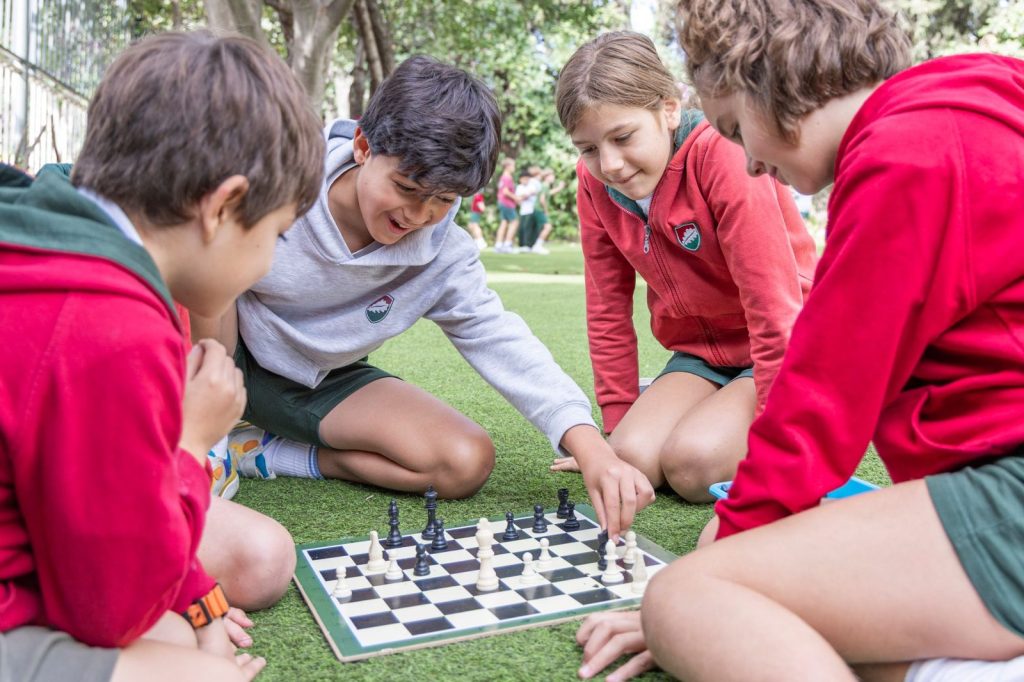
Chess, strategy games, puzzles and logic challenges are excellent alternatives to screens.
You could also organise a small family tournament or invent your own game.
What do they learn? How to plan, make decisions, follow rules and accept both winning and losing.
5. Design and build something from scratch
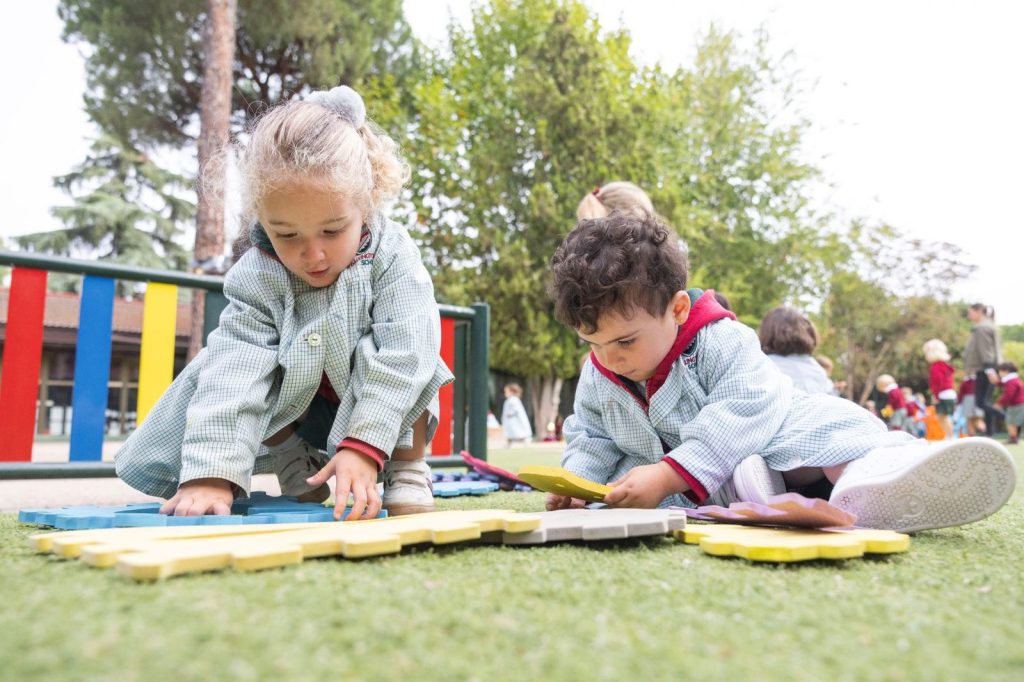
Why not challenge them to build a bridge from recycled materials, invent a machine or design a miniature city?
The interesting part is not achieving a perfect result, but working out how to turn an idea into reality.
What do they learn? Creativity, spatial reasoning, perseverance and problem-solving.
Allowing children to make mistakes, try alternatives and find solutions for themselves is part of learning.
6. Discover new stories
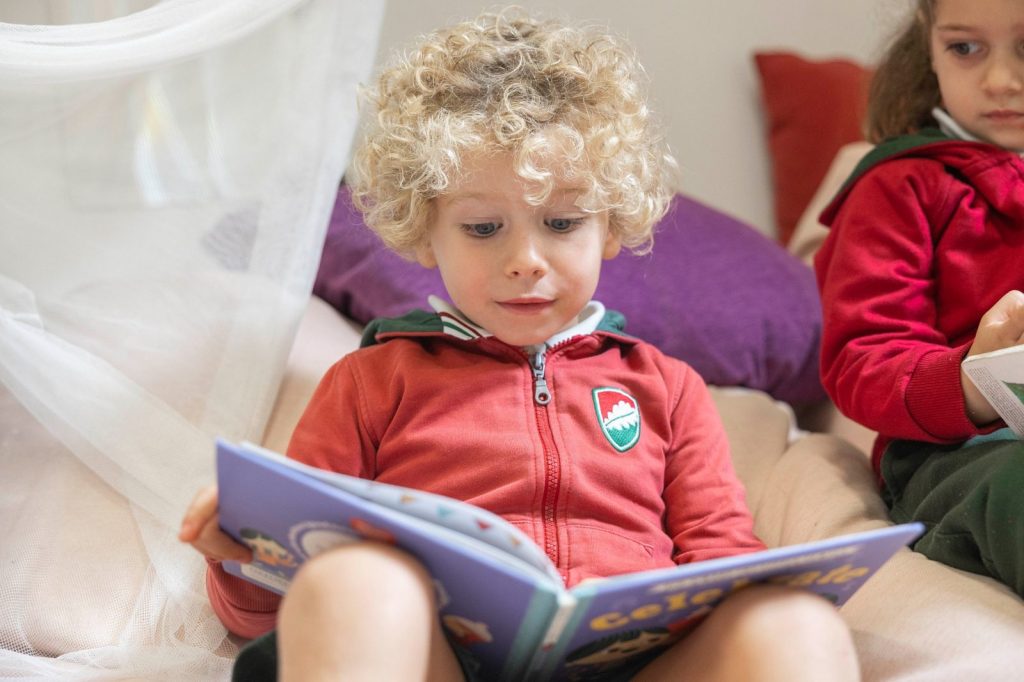
Reading does not have to become a chore during the holidays.
A novel, comic, biography or magazine about their favourite sport can spark an interest in reading.
For those who want to keep practising English, the holidays are also a great opportunity to discover books in the language.
In our article ‘The best English books to read over the summer’, you will find recommendations organised by age and reading level.
7. Make time for boredom
Perhaps the simplest suggestion is also one of the most important: do not schedule absolutely everything.
When children have free time without a planned activity, they can discover their own interests, invent games or find ways to entertain themselves.
There is no need to step in immediately when they say ‘I’m bored’. Sometimes all they need is time and access to simple materials for new ideas to emerge.
How much screen time is recommended during the summer?
There is no single answer that suits every age group.
What matters is finding a balance that allows children to enjoy technology without it replacing essential activities such as sleep, exercise, reading, play and family time.
Setting clear routines, keeping certain parts of the day screen-free and offering appealing alternatives can help establish healthy habits.
Learning also means experimenting
At Dallington School, we believe education goes far beyond textbooks and classrooms.
Curiosity, creativity, independence and learning through practical experiences are all part of our approach to teaching.
Summer offers countless opportunities to continue developing these skills without turning the holidays into an extension of school.
Because learning does not always mean studying. Sometimes it means exploring, building, imagining or simply playing.
