
Moving from Primary to Secondary is one of the biggest changes in a child’s school life. New teachers, different subjects, greater independence and new friendships are among the challenges that come with this transition.
In the British education system, this change takes place between Year 6 and Year 7, usually at the age of 11.
Although it is natural for children to have questions or feel nervous, there are simple ways to help them approach this new stage with confidence.
What changes between Year 6 and Year 7?
In Primary School, pupils usually spend much of their day with one main teacher. When they begin Secondary School, they start learning with specialist subject teachers, move between classrooms more often and need to organise their equipment and homework more independently.
They also face new academic expectations and begin taking greater responsibility for their learning.
At Dallington School, Year 7 marks the start of Key Stage 3 (KS3), the first stage of Secondary within the British curriculum, covering Year 7 to Year 9.

How can you help your child prepare for Secondary School?
1. Talk about what will change
Before the school year begins, take some time to talk to your child about their expectations.
Ask what they are looking forward to, whether anything is worrying them and which subjects they are most excited to discover.
Avoid presenting Secondary as a much harder or more demanding stage. Instead, explain that it brings new responsibilities but also more opportunities to learn and become independent.
2. Encourage independence before they start
There is no need to wait until Year 7 to develop organisational habits.
During the final months of Primary, encourage your child to pack their school bag, check that they have the materials they need and organise their tasks without constantly relying on an adult.
The aim is not for them to do everything perfectly from day one, but to learn gradually to take responsibility for their work.
3. Help them manage their time
One of the biggest changes in Secondary is learning to manage different subjects, teachers and deadlines.
A simple weekly planner can help them see their homework, extracurricular activities and free time at a glance.
It is also important to make time for rest, sport and spending time with friends.
4. Make room for new friendships
The move to Secondary also brings social changes.
Some pupils keep their friendship groups from Primary, while others begin getting to know new classmates.
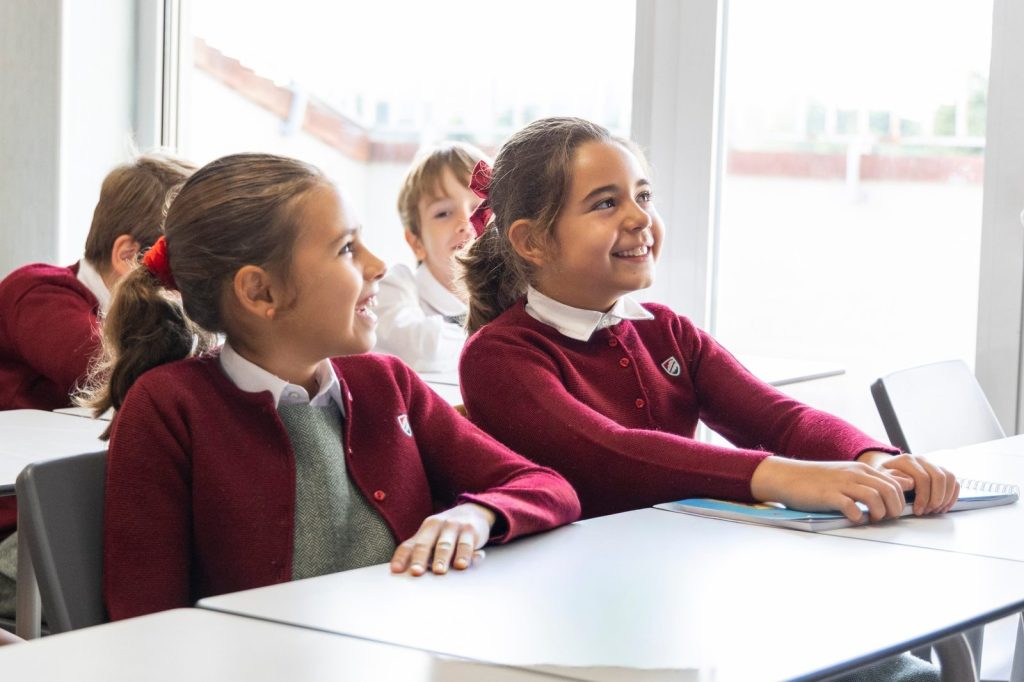
Sporting, artistic and extracurricular activities provide opportunities to meet other pupils and build relationships beyond the classroom.
At Dallington, activities such as rugby, basketball, cricket, art and music are part of school life and help strengthen our sense of community.
5. Keep in close contact with the school
During the first few months of Secondary, it is important to pay attention not only to academic results but also to how your child is feeling.
Asking about lessons, classmates and teachers can help you notice small concerns before they become bigger problems.
Maintaining open communication with their form tutor also makes it easier to support them through this transition.
How long does it take a child to settle into Secondary?
There is no single timeframe. Some pupils feel comfortable within the first few weeks, while others need longer to become familiar with their new routines.
It is normal for children to feel more tired at first, need help getting organised or miss aspects of Primary.
What matters is watching how they settle in, listening to their concerns and giving them time to build confidence.
If difficulties persist, it is worth speaking to their form tutor to discuss what support they may need.
How do we support the transition to Secondary at Dallington School?
At Dallington, we understand that moving from Year 6 to Year 7 is not just an academic change. It also marks a new stage of personal growth.
Our educational approach provides continuity from Early Years through to Sixth Form, with shared values that accompany pupils throughout their school years: Politeness, Effort, Kindness, Respect, Honesty and Responsibility.
This continuity means that pupils who attended Dallington Primary begin Secondary within a community they already know, even as they encounter new routines, teachers and responsibilities.
For pupils joining us for the first time in Year 7, our aim is equally to ensure that they feel welcomed and supported as they discover their new school environment.
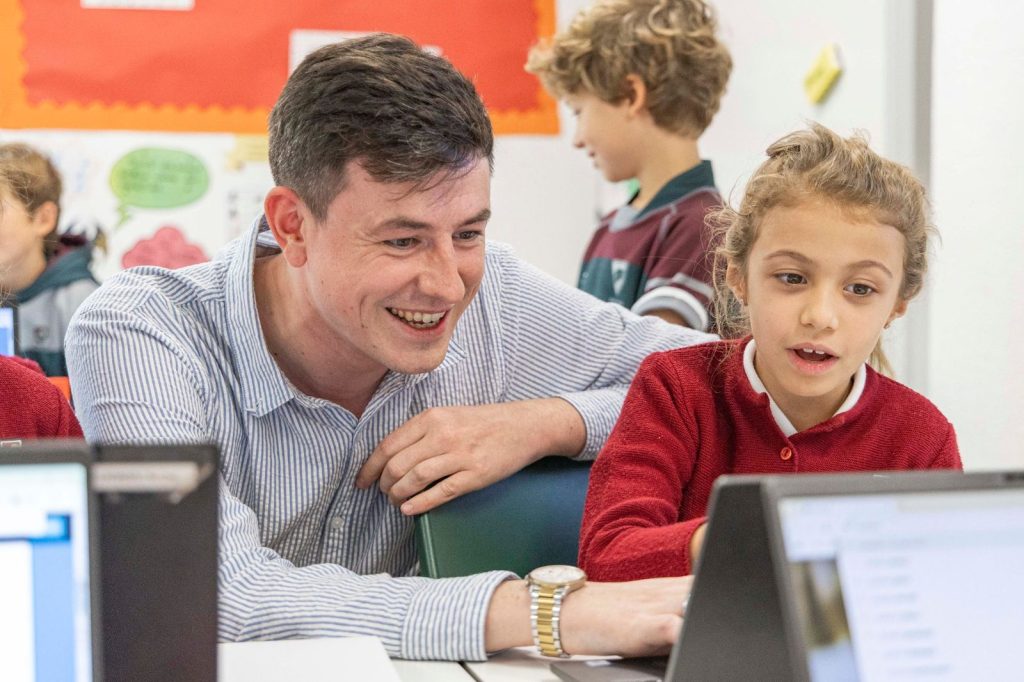
As Year 7 is a transition year from Primary, form tutors and tutor periods play a fundamental role. Particular emphasis is placed on developing study techniques, homework organisation, responsibility and independence. Form tutors speak to pupils individually and as a group, and maintain direct communication with families.
Moving to Secondary is not about leaving Primary behind, but about building on everything pupils have learnt as they begin a new stage full of opportunities.
Is your child about to start Year 7?
If you would like to find out how Secondary School works at Dallington, our Admissions team will be delighted to explain the British curriculum and guide you through the admissions process.
