
Education is not only academic. In the early years, learning to recognise, understand and manage emotions is just as important as learning to read or write.
For this reason, emotional education in primary school is not a passing trend, but a fundamental aspect of a child’s development.
Emotions are present every day at school: in the classroom, in the playground, during group work and when resolving small conflicts. The key lies in turning these everyday moments into learning opportunities.
What is emotional education in early years?
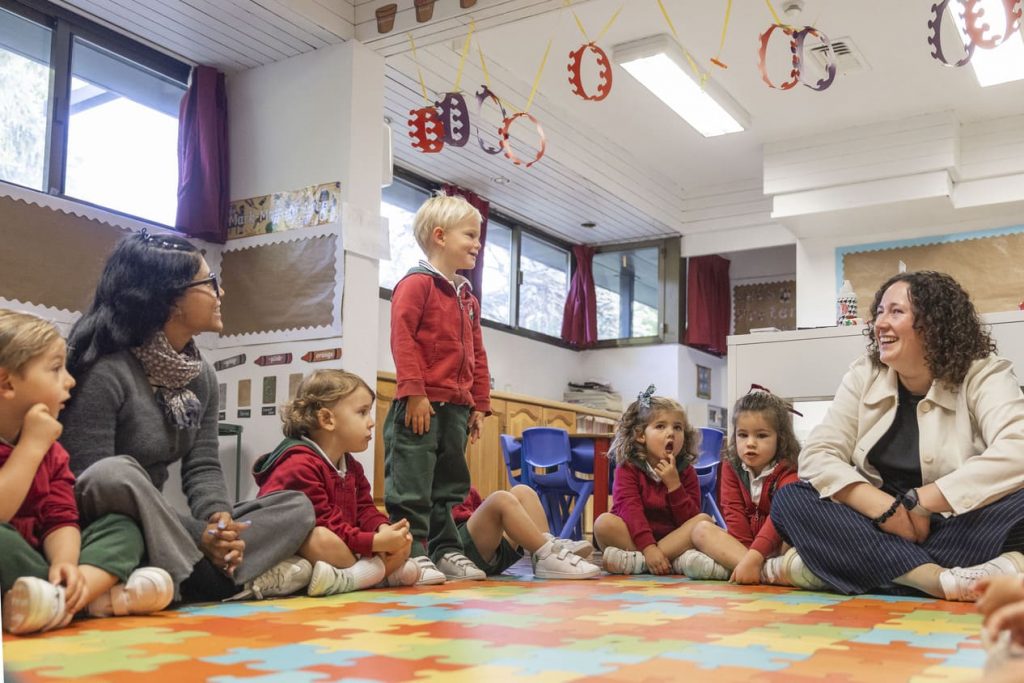
Emotional education in primary refers to teaching children how to identify their emotions, understand why they arise and manage them appropriately.
At this stage, children’s emotions can be intense and change rapidly. Children may move from joy to frustration within minutes. Rather than suppressing these feelings, the goal is to acknowledge them and give them language.
When a child learns to say “I feel angry” or “I feel sad”, they are taking an important step towards self-regulation and empathy.
Why working on children’s emotions at school matters
School is one of the main spaces for social development. It is where children learn to take turns, share, collaborate and resolve disagreements.
Consciously supporting children’s emotions helps to:
- Improve classroom relationships.
- Reduce impulsive behaviour.
- Strengthen self-esteem.
- Develop empathy and respect.
- Lay the foundation for long-term emotional wellbeing.
A child who feels emotionally secure is also more ready to learn. Emotional stability supports attention, motivation and concentration.
Practical strategies to foster emotional education
1. Expanding emotional vocabulary
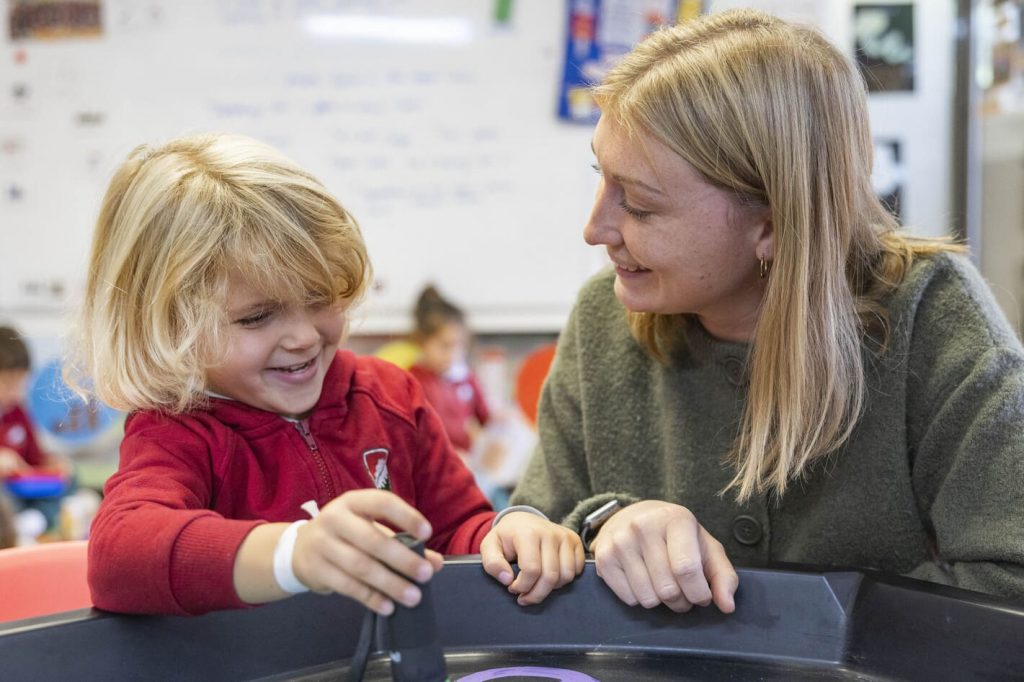
Children need words to describe what they feel. Beyond “good” or “bad”, they can feel proud, frustrated, nervous or disappointed.
Stories, discussions and real-life situations help children identify and name emotions in themselves and others.
2. Validating feelings
Emotions should not be dismissed. Phrases such as “I understand that you are upset” help children feel heard and supported.
Validation does not mean accepting inappropriate behaviour. It means separating the feeling from the action and guiding children towards better responses.
3. Leading by example
Teachers play a crucial role. The way adults manage frustration or handle conflict becomes a direct model for students.
Consistency, calmness and respectful communication are powerful tools in emotional development.
4. Embedding values in daily life
Emotional education is not a separate lesson. It is embedded in everyday school life through values such as respect, kindness, effort and responsibility.
When children reflect on how their actions affect others, they build emotional awareness and social responsibility.
5. Creating a safe environment
Children express themselves more freely when they feel safe. A close school environment, where each child is known and supported, makes emotional learning more meaningful.
The role of the family in emotional education
Coordination between school and family is essential. When the message is consistent in both environments, the child integrates the strategies learned more effectively.
Sharing with families how children’s emotions are worked on in the classroom allows the same tools for dialogue and self-regulation to be reinforced at home.
Preparing children for life
Promoting emotional education in Early Years means preparing children not only for exams, but for life. It equips them to face challenges, work collaboratively, show empathy and persevere.
When children understand their emotions, they grow in confidence, resilience and character.
And that growth — both personal and academic — is what truly shapes their future.
