
Encouraging a love of reading in children is essential for both their academic and personal development. When it comes to bilingual children, however, the challenge — and the opportunity — is even greater.
Bilingual reading not only strengthens language skills, but also enhances comprehension, creativity and cultural awareness. The key lies in supporting this process in a natural and engaging way.
Why is bilingual reading important?
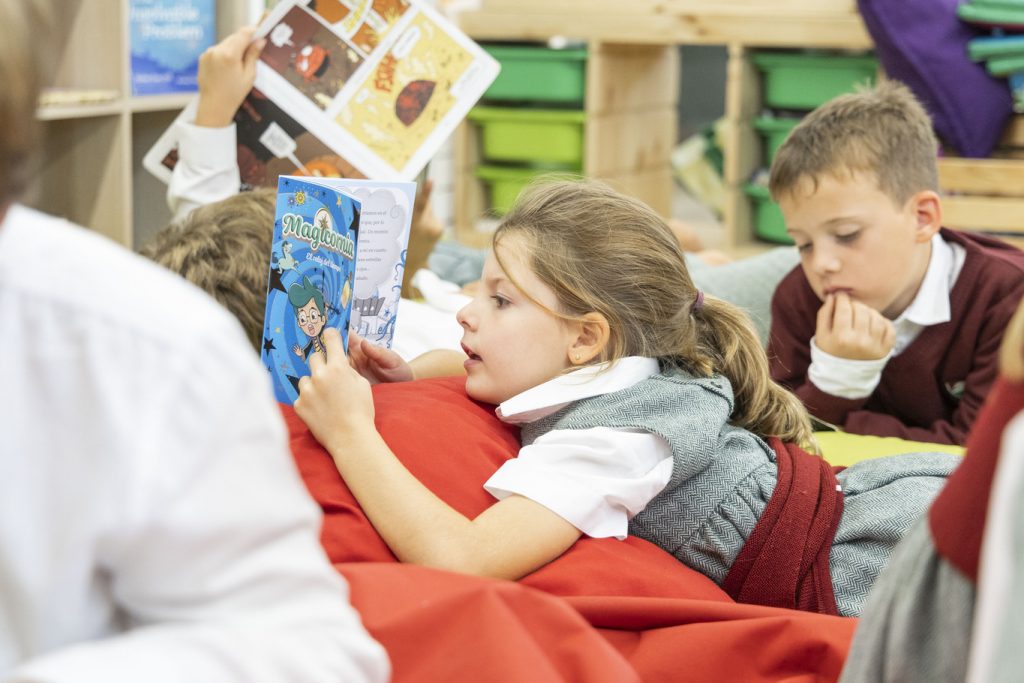
Bilingual children develop two language systems simultaneously. Reading becomes a crucial tool to consolidate both languages, expand vocabulary and improve expression.
Reading in two languages also:
- strengthens cognitive flexibility
- improves concentration
- supports the learning of additional languages in the future
- enriches cultural understanding
Beyond academic benefits, reading creates an emotional connection with language.
Start early, without pressure
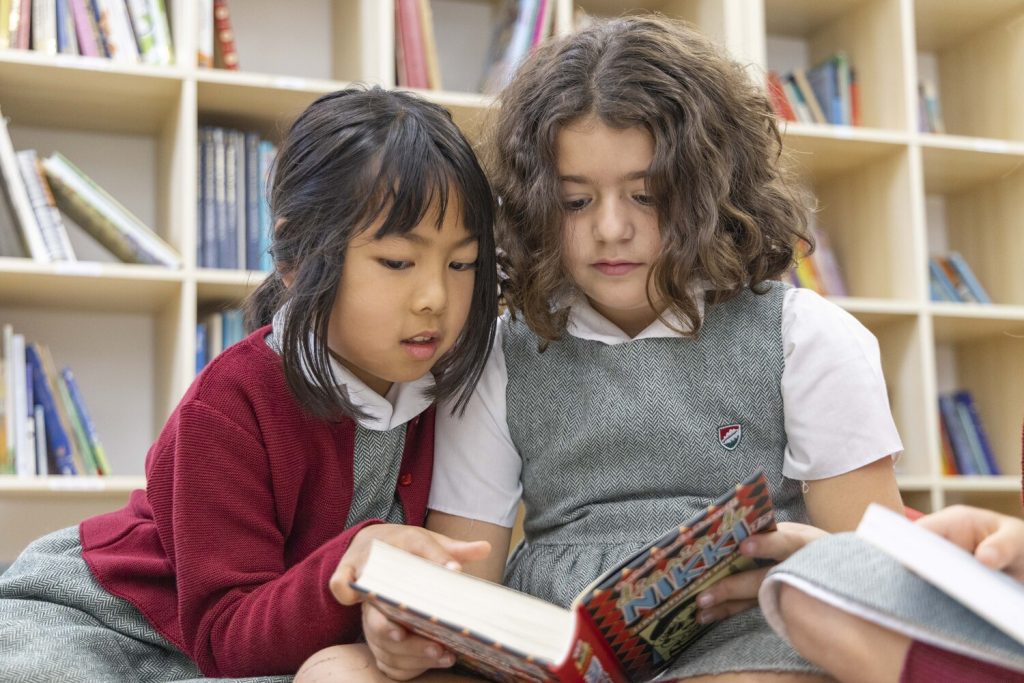
One of the most common mistakes is turning reading into an obligation. For bilingual children, it is especially important that the experience remains positive in both languages.
There is no need for perfect balance from the start. It is natural for one language to be dominant at certain stages. What matters is maintaining consistent and natural exposure.
Reading bedtime stories, sharing books as a family or simply exploring stories together are simple ways to introduce reading without resistance.
Choose the right books in each language
Not all books work equally well in both languages. Selecting age-appropriate and engaging materials is key.
Some recommendations:
- books with strong visual support
- familiar stories in both languages
- texts adapted to each language level
- topics that genuinely interest the child
Motivation is the driving force behind any reading habit.
Create reading routines
Consistency is essential when building any habit. Establishing small daily reading moments helps children integrate reading into their routine.
This could be:
- before bedtime
- after school
- during weekends
It does not need to be long. What matters is regularity and the quality of the shared experience.
Lead by example
Children learn by observing. Seeing adults read in different languages normalises their use and reinforces their value.
Sharing books, talking about stories or showing genuine interest in reading has a far greater impact than imposing it.
Respect each child’s pace
Every bilingual child has their own rhythm. Some may feel more comfortable reading in one language than the other, and that is completely normal.
Forcing balance can create frustration. Instead, supporting them with patience and adapting strategies to their needs leads to more natural and lasting development.
The role of schools in bilingual reading
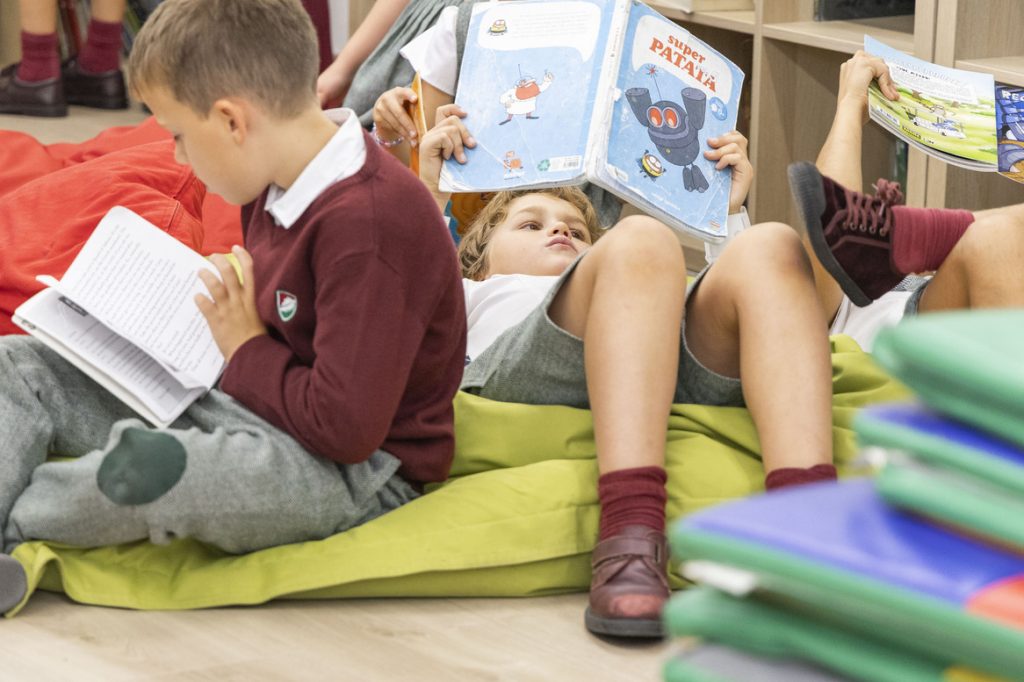
In educational environments such as Dallington School, bilingual reading is part of a broader approach aimed at developing both language skills and a genuine love of learning.
Close guidance, carefully selected materials and the integration of reading into daily classroom life help students build a positive and lasting relationship with books.
A door to learning and imagination
Encouraging bilingual reading is much more than teaching children to read in two languages. It is about opening the door to new ways of thinking, imagining and understanding the world.
When a child enjoys reading, they do not only improve academically — they grow with curiosity, confidence and a broader perspective.
